Resiter

• (2023) Ph.D. in Electrical Engineering, Korea Advanced Institute of Science and Technology
• (2019) M.S. in Electrical Engineering, Korea Advanced Institute of Science and Technology
• (2017) B.S. in Electrical and Information Engineering, Seoul National University of Science and Technology
• (2023-2025) Postdoctoral Associate, Carnegie Mellon University, United States
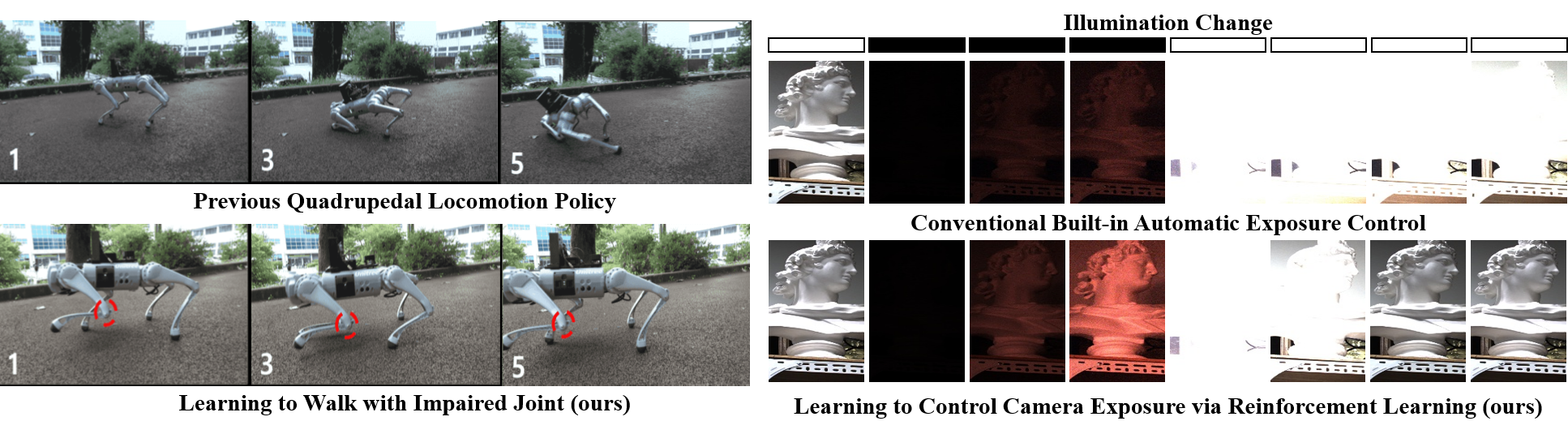
• My research aims to develop a robust physical AI that can perceive, understand, and navigate the
dynamic world under challenging conditions, including adverse weather (rain, snow, fog, dust),
extreme lighting (over-exposed, low-light), and complex terrains (mountains, caves).
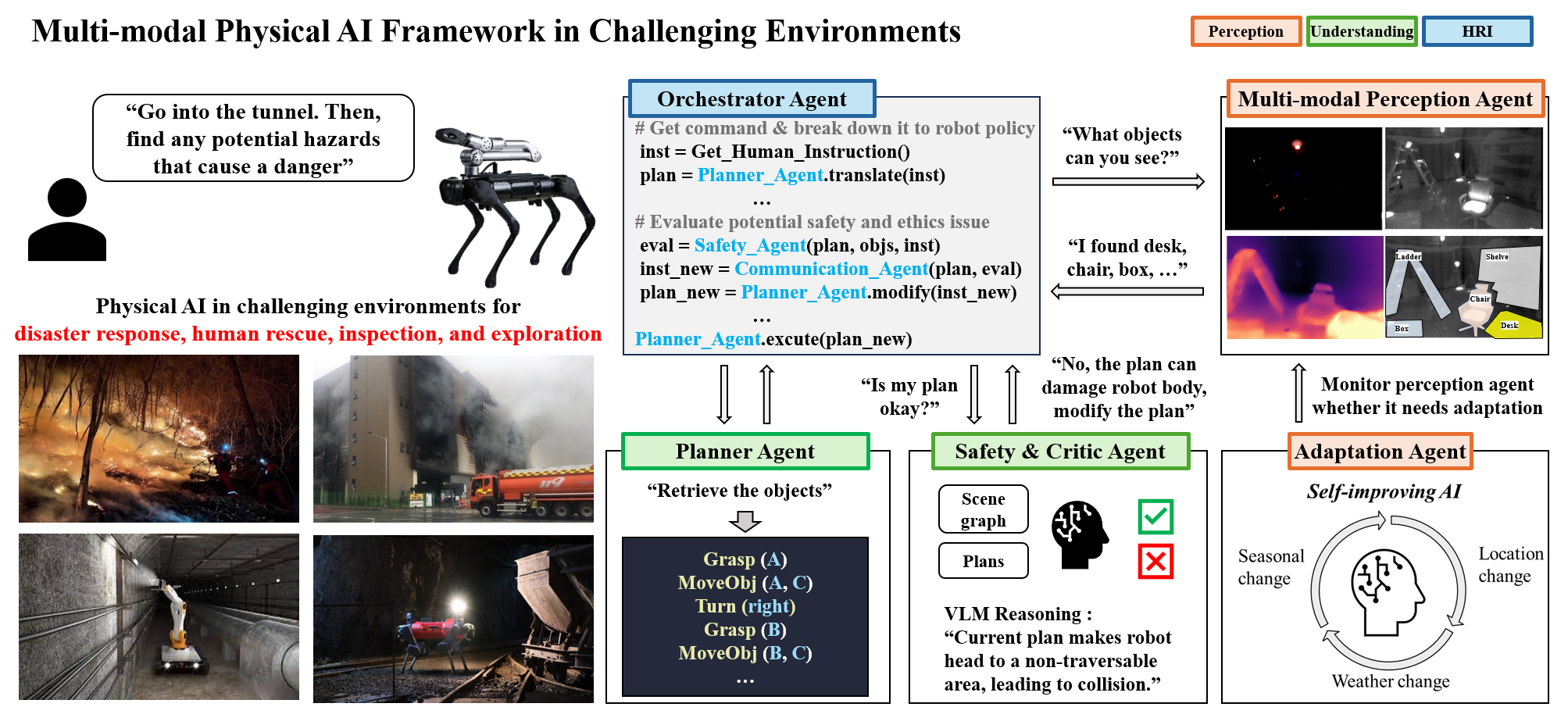
• Robot Learning for Physical AI
- Deep Reinforcement Learning for Robot/Sensors (Legged Robot, Manipulator, Humanoid, Camera, etc)
- Foundation Behavior Model (e.g., LBM) for Robots
- Vision-Language Navigation/Manipulation/Locomotion
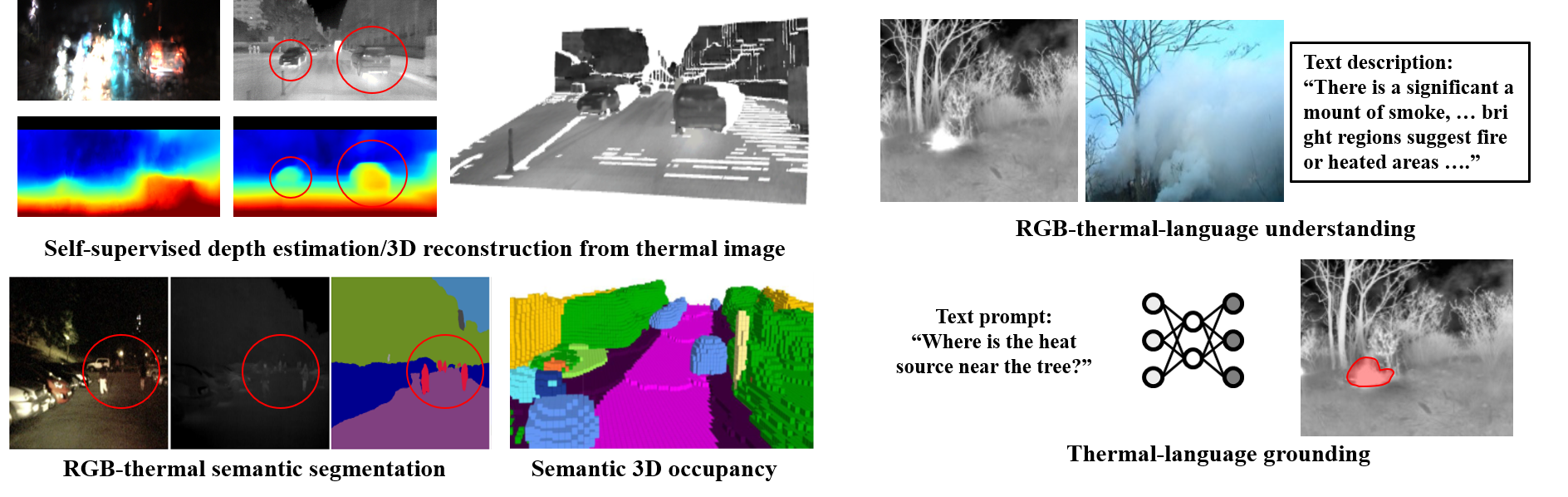
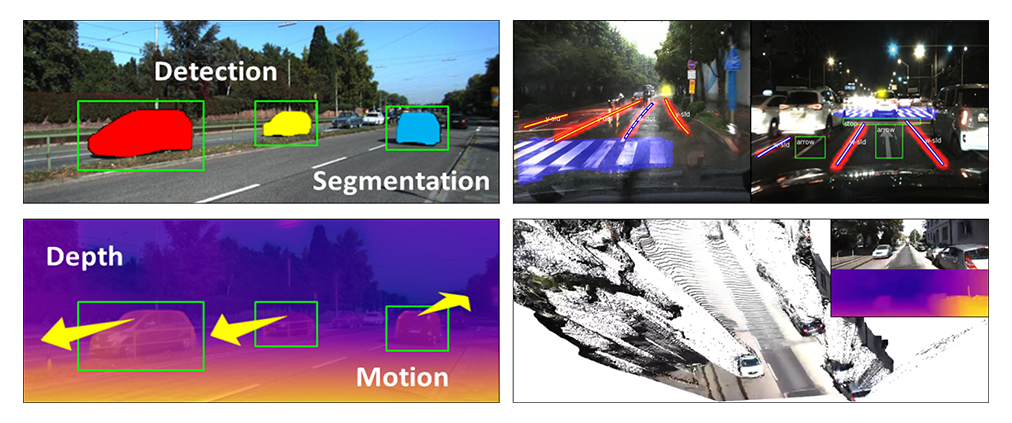
• Robust Perception Intelligence for Robotics
- Self-supervised 3D Geometry (Depth, Optical flow, Scene flow, 6D pose, Odometry/SLAM, etc)
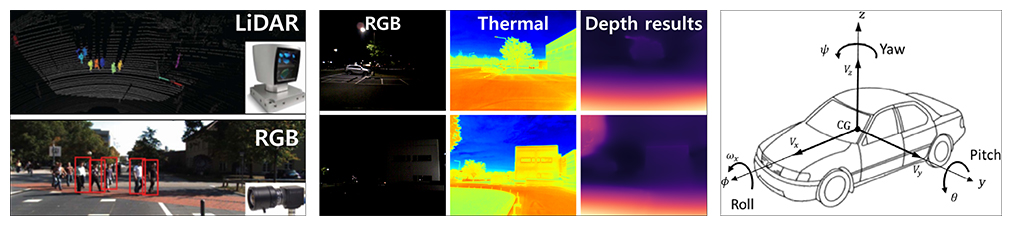
- Multi-modal Sensor Fusion for Robust Perception (RGB, NIR, Event, Thermal, LiDAR, RADAR, etc)
- Vision-Language Understanding in Challenging Conditions
• Ukcheol Shin, et al., "Learning to Control Camera Exposure via Reinforcement Learning", IEEE/CVF Conference on Computer Vision and Pattern Recognition (CVPR), 2024
• Ukcheol Shin, et al., "Complementary Random Masking for RGB-T Semantic Segmentation", IEEE International Conference on Robotics and Automation (ICRA), 2024
• Ukcheol Shin, et al., "Deep Depth Estimation from Thermal Image", IEEE/CVF Conference on Computer Vision and Pattern Recognition (CVPR), 2023
• Ukcheol Shin, et al., "Self-supervised Depth and Ego-motion Estimation for Monocular Thermal Video using Multi-spectral Consistency Loss", IEEE Robotics and Automation Letters (RA-L), 2021
• Outstanding Reviewer Award, IEEE Robotics and Automation Letters (RA-L), 2025
• Best Poster Award, 'Thermal Infrared in Robotics' Workshop @ IEEE International Conference on Robotics and Automation (ICRA), 2025
• First Place Award, Autonomous Driving Workshop 'Argoverse Scene Flow Challenge'@ IEEE/CVF Conference on Computer Vision and Pattern Recognition (CVPR), 2024
• Honorable Mention, 29th Samsung HumanTech Paper Award, 2023
• Best Student Paper Award, IEEE/CVF Winter Conference on Applications of Computer Vision (WACV), 2023

▪ (2012) Ph.D. in Department of Information and Communications Engineering, Korea Advanced Institute of Science and Technology (KAIST)
▪ (2006) M.S. in Department of Information and Communications Engineering, Korea Advanced Institute of Science and Technology (KAIST)
▪ (2000) B.S. in Department of Electrical Engineering, Korea University
▪(2025-present) Associate Professor, Korea Institute of Energy Technology (KENTECH)
▪(2024-2025) Professor, Department of Information and Communication Engineering, Chosun University
▪(2021-2024) Associate Professor, Department of Information and Communication Engineering, Chosun University
▪(2016-2021) Assistant Professor, Department of Information and Communication Engineering, Chosun University
▪(2015-2016) Principal Research Engineer, Advanced Standard Research Lab under CTO., LG Electronics
▪(2014-2015) Research Professor, KAIST
▪(2012-2013) Post-doctoral Scholar, University of California, San Diego (UCSD)
▪(2012-2012) Post-doctoral Researcher, Information & Electronics Research Institute, KAIST
▪(2000-2003) Engineer in Kisan Telecom, Seoul, Korea
Image and Video Processing, Computer Vision, Medical Imaging and Aanlysis, Artificial Intelligence for Energy
My Research interest lies in advancing artificial inteligence techniques for image and video understanding, with applications in medical imaging, energy forecasting, and visual signal processing. Research topics include:
Medical Imaging and Diagnosis
▪Orthopedic imaging for osteoporosis assessment, fracture classification, and treatment monitoring
▪Dental Imaging for automated teeth segmentation, disease detection, and 3D structure reconstruction
▪Skin disease diagnosis using clinical photographs and dermoscopic images with deep learning Multimodel analysis for osteoporosis diagnosis integrating X-rays,m CT scans, and electronic medical Records
Computer Vision for Image and Video Processing
▪Classical video restoration (deoldifying) and enhancement
▪Image compression, denoising, inpainting, and super-resolution
▪Transformer and diffusion models for image reconstruction
Large Language Models for Energy System
▪Natural language reporting of energy demand and anomaly detection results
▪Integration of LLMs with deep forecasting models for smart grid applications
▪Aradhana Mishra and Bumshik Lee*, "Pixel Boost: Leveraging Brownian Motion for Realistic Image Super-Resolution", IEEE Transactions on Multimedia, 2025
▪Guoqing Chao, Jingnan Qi, Jingxuan Li, Bumshik Lee and Dianhui Chu, "Incomplete Multi-View Classification via Graph Neural Network on Heterogeneous Graph", Information Fusion, vol. 121, Sep. 2025
▪Arshiana Shamir, Nokap Park and Bumshik Lee*, "BOLD-NET: Brightness Enhancement for Old Images using Deep Curve Estimation and Attention Modules", Engineering Applications of Artificial Intelligence, 126 (2023), Nov. 2023
▪Chaitra Dayananda, Nagaraj Yamanakkanavar, Truong Nguyen and Bumshik Lee*, "AMCC-Net: An Asymmetric Multi-cross Convolution for Skin Lesion Segmentation on Dermoscopic Images", Engineering Applications of Artificial Intelligence, 122 (2023), Jun. 2023.
▪(2025) Excellent Paper Award. "Accurate 3D Teeth Segmentation via Skeleton and Centroid Guidance in CBCT Imaging", ICAIIC 2025
▪(2025) Best Session Presentation Award, 2025 International Conference on Consumer Electronics
▪(2024) 대상, 2024 K-Health 의료인공지능 해커톤대회 (First Place in Hackathon Competition of Mammography-Based Breast Cancer Microcalcification Region Segmentation)
▪(2024) Best Paper Award, “Low complexity computation algorithm for DCT-5”, KICS 2017Best Paper Award, “ResNet-50와 U-Net을 이용한 다중클래스 치과 영상 분할”, 2024 한국스마트미디어학회 추계학술대회
▪(2024) Best Poster Award, “무릎 골다공증 감지를 위한 하이브리드 딥러닝 모델”, 제34회 인공지능신호처리학술대회 2024
▪(2024) Best Paper Award, “SVSR: Stochastic variability in Diffusion Model for Image Super Resolution”, Korean Institute of Intelligence Systems Spring Conference 2024
▪(2022) Best Paper Award, “A patch-wise M-Net with attention for skin lesion segmentation”, Korean Institute of Intelligence Systems Autumn Conference 2022
▪(2021) Baek-Ak Research Award in Chosun University, presented to the faculty member who demonstrates outstanding research excellence within the institution, 2021
▪(2021) Best Paper Award, “Lightweight double attention-based U-SegNet structure for brain image segmentation”, Korean Institute of Intelligence Systems Autumn Conference 2021
▪(2021) Best Paper Award, “Brain image segmentation method using attention-based M-SegNet architecture in brain MRI images”, Korean Institute of Intelligence Systems Autumn Conference 2021
▪(2021) Best Paper Award, “A transform kernel derivation for Versatile Video Coding (VVC)”, The 5-th International Conference on Next Generation Computing 2019
• (2026) Ph.D. in Education, Mokpo National University
• (2022) M.A. in Education, Mokpo National University
• (2004) B.A. in Education, Mokpo National University
• (2018–2025) Team Leader, Office of Planning and Coordination, Dong-A Health University
• (2015–2017) Education Officer, Jeonnam Community Child Center Support Center
• (2014–2015) Researcher (Project-based Contract), Green Energy Institute
• College Student Adjustment
• Learning Persistence
• Factors of College Dropout
• Learning Motivation
• CQI in Higher Education
• Performance-Based Teaching and Learning Support
College dropout is not merely a consequence of individual motivation; it is deeply intertwined with institutional support systems and the broader university environment. My research focuses on factors influencing students’ adjustment to college life and learning persistence, with particular attention to the role of teaching and learning support and educational performance management. Through this work, I aim to connect university-level dropout prevention strategies with CQI-based educational performance management and performance-based teaching and learning support systems in higher education.
• Park, K. J. (2025). Differences in dropout intentions according to types of college adjustment among freshmen at regional universities. Gifted and Talented Education, 24(1), 79–105.
• (2025) Minister of Education Commendation for Excellence in Junior College Administration, Republic of Korea.
• (2024) Ph. D. in Korea National Sport University
• (2015) M.S. in Korea National Sport University
• (2011) B.S. in Halla University
• (2025 ~ 2026) Research professor, Korea National Sport University
• (2021 ~ 2024) Researcher, POSTECH Korea Sport Industry Development Institute
• (2015 ~ 2020) Assistant professor, Korea Air Force Academy
• (2010 ~ 2012) Fitness assistant, Halla University
• Sport & exercise psychology
• Mental coacing & Career counseling
• Developmental psychology
• Developing Psychological methods using data in psychological understanding for students
• Implementing mental coaching programs for students based on counseling and mentoring
• Understanding university students’ physical self-evaluation and psychological experiences in sport competitions and motivations, to support better well-being
• Supporting the development of positive attitudes that should be fostered through sport and physical education
• Kang, J. H., Yun, Y. K., & Kim, S. B. (2024). Possibilities of applying match data as diagnosis method for fundamental in football. Korean Journal of Sport Psychology, 35(4), 159-172.
• Kang, J. H., & Yun, Y. K. (2023). Performance evaluation factors reflecting player and casting judgments of football coaches. Korean Journal of Sport Science, 34(3), 424-432.
• Yun, Y. K., & Kang, J. H. (2022). Current affairs of the changing trend in athletic identity for youth foot-ball players. Korean Journal of Sport Science, 33(1), 67-76.
• Kang, J. H., & Yun, Y. K. (2021). Football talent development stages from the viewpoint of complexity theory. Korean Journal of Sport Science, 32(1), 140-153.
• (2014) Korean Society of Science & Football International Conference Awards
.jpg)
• (2021) Ph. D. Department of Materials Science and Engineering, Yonsei University, Republic of Korea
• (2014) B.S. Department of Materials Science and Engineering, Yonsei University, Republic of Korea
• (2022-present) Postdoctoral Researcher, National Renewable Energy Laboratory, United States
• (2021-2022) Postdoctoral Researcher, Yonsei University, Republic of Korea
electrocatalysis, CO₂-to-fuel conversion, Water splitting, Chiral materials, Chirality-induced spin selectivity
• Design and synthesis of chiral materials for energy applications
• Controlling spin during (photo)electrocatalytic reactions
• Interface engineering of materials and devices for CO2 upcycling and water splitting
• In situ spectro-electrochemical characterization for energy materials
• J. Tan et al. "Hydrogel Protection Strategy to Stabilize Water-Splitting Photoelectrodes", Nature Energy, 2022, 7, 537-547.
• B. Kang, J. Tan et al. "Stable water splitting using photoelectrodes with a cryogelated overlayer", Nat. Commun., 2024, 15, 1495.
• J. Tan et al., "Surface restoration of polycrystalline Sb2Se3 thin films by conjugated molecules enabling high-performance photocathodes for photoelectrochemical water splitting", Appl. Catal. B: Environ., 2021, 286, 119890.
• J. Tan et al., "Fullerene as a photo-electron transfer promoter enabling stable TiO2-protected Sb2Se3 photocathodes for photoelectrochemical water splitting", Adv. Energy Mater., 2019, 9, 1900179.
• (2024) Postdoctoral Researcher Proposal Award, NREL
• (2022) 나노융합성과전 10대 나노기술 선정
• (2021) 국가연구개발 우수성과 100선 선정 (에너지환경분야 최우수성과)
• (2021) 한국세라믹학회 양송연구원상
▪(2023) Ph. D. Energy and Chemical Engineering, UNIST
▪(2016) B.S. Materials Science and Engineering, UNIST
▪(2016) B.S. Energy and Chemical Engineering, UNIST
▪(2026.2-present) Assistant Professor, KENTECH, Republic of Korea
▪(2024-2026.1) Postdoctoral Researcher, University of California, Los Angeles (UCLA), United States
▪(2023-2024) Postdoctoral Researcher, UNIST, Republic of Korea
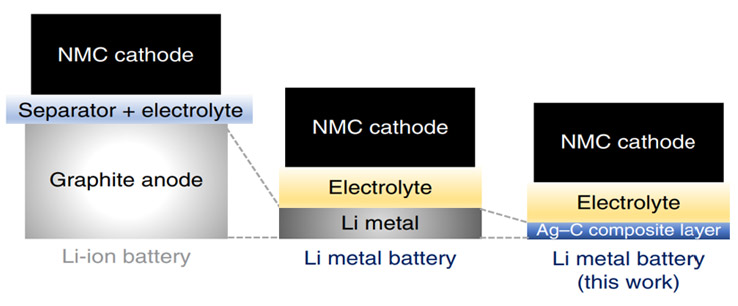
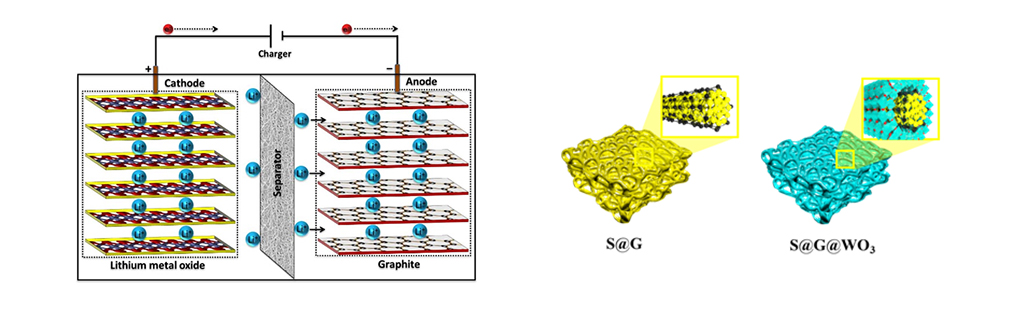
Lithium-ion batteries, Lithium-metal batteries, Materials synthesis, Fast-charging, Electrode engineering, Battery diagnostics, Advanced characterization, Real-time observation

▪Min-Ho Kim et al., Microstructural Evolution Dynamics in Rapid Joule Heating Densification of High-Nickel Cathodes, Advanced Materials 37 (45), e08602 (2025)
▪Min-Ho Kim et al., Metal-to-Metal Charge Transfer for Stabilizing High-Voltage Redox in Lithium-Rich Layered Oxide Cathodes, Science Advances 11 (8), eadt0232 (2025)
▪Min-Ho Kim et al., Horizontal lithium growth driven by surface dynamics on single crystal Cu(111) foil, Energy & Environmental Science 17 (18), 6521-6532 (2024).
▪Min-Ho Kim et al., Mitigating Electrode-Level Heterogeneity Using Phosphorus Nanolayers on Graphite for Fast-Charging Batteries, ACS Energy Letters 8 (9), 3962-3970 (2023).
▪Min-Ho Kim et al., Design Principles for Fluorinated Interphase Evolution via Conversion-Type Alloying Processes for Anti-corrosive Lithium Metal Anodes, Nano Letters 23 (8), 3582-3591 (2023)
▪Min-Ho Kim et al., Unveiling the Role of Electrode-Level Heterogeneity Alleviated in Silicon-Graphite Electrode Under Operando Microscopy, Energy Storage Materials 57, 269-276 (2023)

(2000) M.A. in Education, Princeton
(1996) B.A. in Developmental Psychology, University of Washington
(2021-2024) Vice Principal, Preparatory School of Suji, Suji, South Korea
(2022~) Certified Cooperative Learning Trainer, Kagan Professional Development, USA
(2018-2020) Assistant Professor, Woosong University, Daejeon, South Korea
(2016-2017) Lecturer, Catholic University of Pusan, Busan, South Korea
(2015-2017) Assistant Professor, Kosin University, Busan, South Korea
(2007-2010) Teacher/Coach, Mount Pisgah School, Atlanta, Georgia, USA
(2017) Highest Rated Lecturer - Catholic University of Pusan
• (2019) Ph.D. in Department of Chemistry, Seoul National University, Korea
• (2013) B.S. in Department of Chemistry Education, Seoul National University, Korea
• (2025-present) Assistant Professor, Korea Institute of Energy Technology, Korea
• (2023-2025) Senior Research Scientist, Korea Research Institute of Chemical Technology, South Korea
• (2020-2022) Postdoctoral Fellow, University of California, Berkeley, United States
• (2019) Postdoctoral Fellow, Seoul National University, South Korea
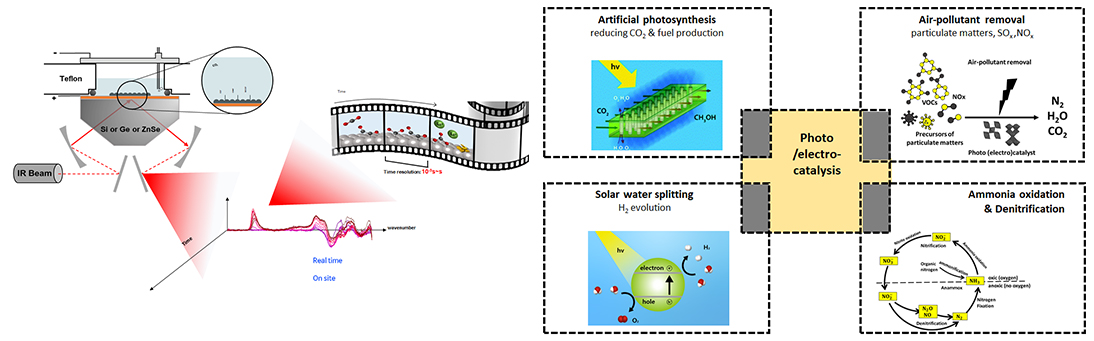
Organic chemistry, Carbon utilization, Transition metal catalysis, Synthetic methods
• Synthesis and reactions of organometallic complexes
• Catalysis for carbon valorization and degradation
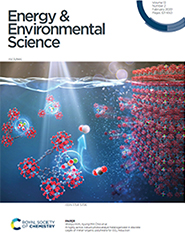
• Choi, K. et al. Palladium-Catalyzed Amination of Aryl Halides with Aqueous Ammonia and Hydroxide Base Enabled by Ligand Development J. Am. Chem. Soc. 2024, 146, 19414.'
• Choi, K. et al. Palladium-Catalyzed Aryldifluoromethylation of Aryl Halides with Aryldifluoromethyl Trimethylsilanes Angew. Chem. Int. Ed. 2022, 61, e202208204.
• Choi, K. et al. Rhodium-Catalyzed Tandem Addition–Cyclization–Rearrangement of Alkynylhydrazones with Organoboronic Acids J. Am. Chem. Soc. 2018, 140, 10407.
• (2024-2025) Expert Pool for Science and Technology Contents, Korea Foundation for Science and Creativity
• (2024) Grand Prize, Korea Institute of Human Resources Development in Science and Technology
• (2022) Best Presentation Award, California Research Aliance Center by BASF
• (2015) IUPAC Poster Prize, The 45th IUPAC World Chemistry Congress
Ph.D. in Electrical Engineering (Power System Economics), Seoul National University, 2018.2
B.S. in Electrical Engineering, Seoul National University, 2012.2
Associate Professor, Grid Modernization Track, KENTECH, 2024 - present
Associate Professor, Chungnam National University, 2022 - 2024
Assistant Professor, Chungnam National University, 2018 - 2022
Commission Member, Presidential Commission on Carbon Neutrality and Green Growth, May. 2021 - present
Advisory Member, Special Committee for Climate Crisis in National Assembly, Jul. 2023 - May. 2024
Member, Central Environmental Policy Committee, Aug. 2022 - Apr. 2024
Member, Hydrogen Economy Council under Prime Minister’s Office, Jul. 2020 - Oct. 2022
Board Director, Korea Energy Agency, Nov. 2020 - Oct. 2022
Expert Member, National Council on Climate Change and Fine Dust, Nov. 2019 - Apr. 2021
Climate and Energy Policy
Public Policy Engineering for Energy Industry
Power System Planning and Operation
Electricity Market Design and Analysis
Utility and Netwotk Economics
AI-supported Decision-Making
Climate-Economy Integrated Assessment Model
Optimal Scenario Outlook
Infrastructure Stress-test under Extreme Weather
Generation-Transmission-Storage Expansion Planning
Rule Design for New Business Model (V2G, DR, VPP)
Revenue Analysis and Optimal Bidding Strategy
TSO-DSO Cooperation
Project Feasibility Assessment
Reliability Criteria Design
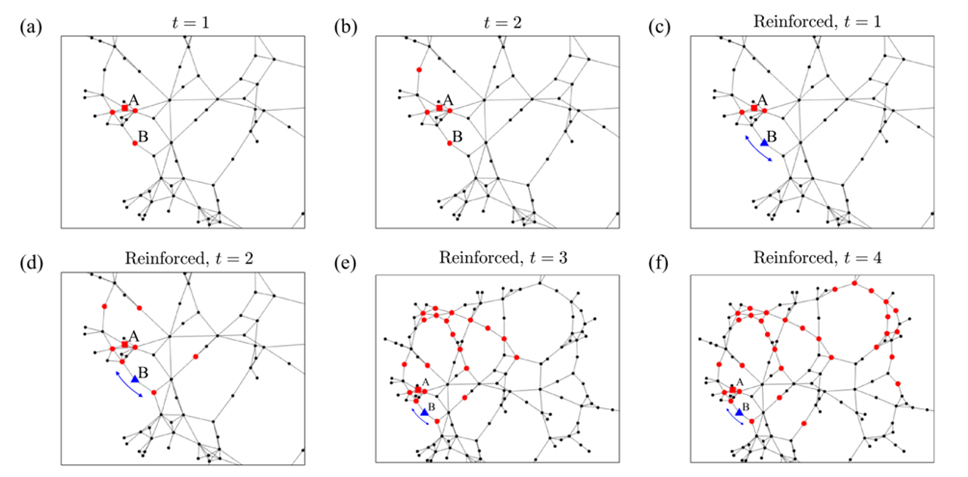
Online Grid Reconfiguration
Physics-informed Learning based Market Bidding
C. M. Jeong, H. S. Moon, S. W. Kim, “Probabilistic Prequalification Scheme of a Distribution System Operator for Supporting Market Participation of Multiple Distributed Energy Resource Aggregators”, IEEE Transactions on Energy Markets, Policy, and Regulation, 2024.
H. S. Moon, Y. H. Song, J. W. Lee, S. Hong, E. Kim, S. W. Kim, “Implementation cost of net zero electricity system: Analysis based on Korean national target”, Energy Policy, 2024.
E. J. Choi, J. W. Lee, D. Kim, G. -S. Seo, S. W. Kim, “Quantifying Benefit of Well-Located Distributed Energy Resources”, IEEE Transactions on Energy Markets, Policy, and Regulation, 2024.
J. W. Lee, E. J. Choi, M. J. Jeong, R. C. Moragriega, P. G. Zaragoza, S. W. Kim, “Optimal Sourcing Strategy for Enterprises to Achieve 100% Renewable Energy”, Energy Reports, 2022.
H. S. Moon, Y. G. Jin, Y. T. Yoon, S. W. Kim, “Prequalification Scheme of a Distribution System Operator for Supporting Wholesale Market Participation of a Distributed Energy Resource Aggregator”, IEEE Access, 2021.
S. H. Oh, Y. T. Yoon, S. W. Kim, “Online reconfiguration scheme of self-sufficient distribution network based on a reinforcement learning approach”, Applied Energy, 2020.
Y. H. Song, H. J. Kim, S. W. Kim, Y. G. Jin, Y. T. Yoon, “How to find a reasonable energy transition strategy in Korea?: Quantitative analysis based on power market simulation”, Energy Policy, 2018.
Distinguished Service Commendation for DER Proliferation, Ministry of Trade, Industry, and Energy (MOTIE), Korea, Dec. 2022
Academic Award, Korea Institute of Electrical Engineers, Dec. 2023
Academic Award, Korea Institute of Electrical Engineers, Dec. 2022
(2019) Ph.D. in Electrical and Computer Engineering, Seoul National University
(2013) B.S. in Electrical and Computer Engineering, Seoul National University
(2024 ~) Assistant professor, KENTECH
(2024 ~ 2024) Assistant professor, KERI school, University of Science and Technology (UST)
(2020 ~ 2024) Senior researcher, Korea Electrotechnology Research Institute (KERI)
(2019 ~ 2020) Postdoctoral researcher, Seoul National University
DC Power Systems
Hybrid AC/DC Microgrids
Inverter-Dominated Power System
Power System Stability
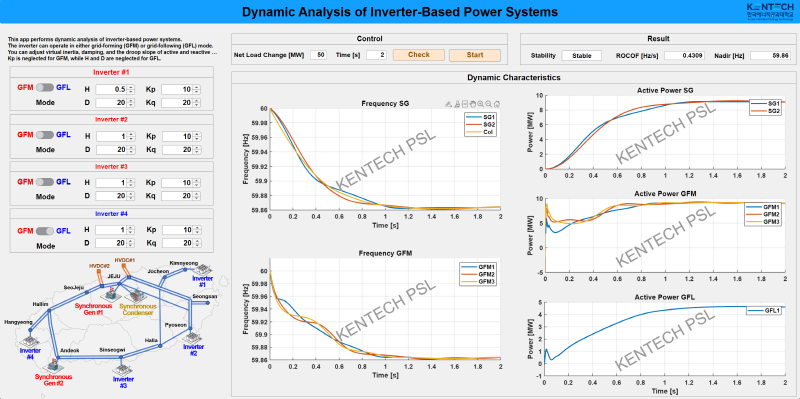
Development of a steady-state and dynamic analysis model for hybrid AC/DC power grids
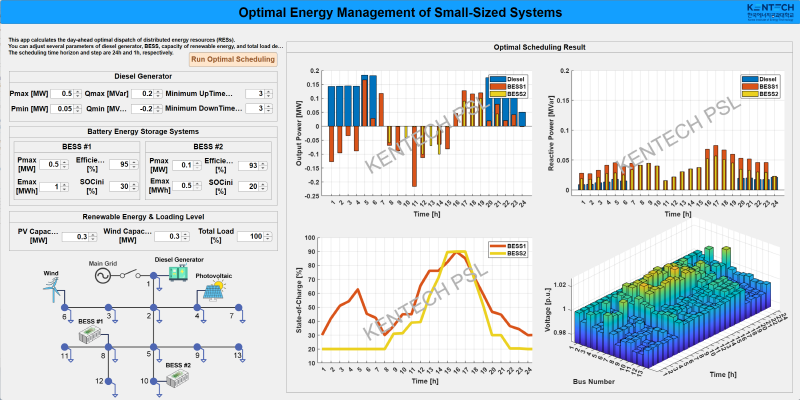
Analysis and optimal operation techniques for bipolar DC power grids with distributed resources
Robust operation methodologies considering load and renewable energy uncertainties
Determination of optimal operating regions for grid-forming inverters to maintain power grid stability
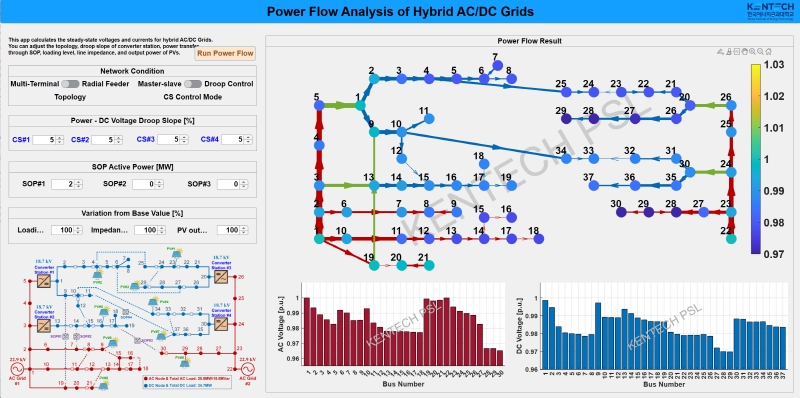
J.-O. Lee, Y.-S. Kim, and J.-H. Jeon, “Robust Optimization Method for Voltage Balancer Planning in Bipolar DC Distribution Systems” IEEE Transactions on Power Systems, Sep. 2024.
J.-O. Lee, Y.-S. Kim, and J.-H. Jeon, “Optimal Power Flow for Bipolar DC Microgrids” International Journal of Electrical Power & Energy System, Nov. 2022.
J.-O. Lee, Y.-S. Kim, and J.-H. Jeon, “Generic Power Flow Algorithm for Bipolar DC Microgrids based on Newton-Raphson Method” International Journal of Electrical Power & Energy System, Nov. 2022.
J.-O. Lee and Y.-S. Kim, “Novel Battery Degradation Cost Formulation for Optimal Scheduling of Battery Energy Storage Systems” International Journal of Electrical Power & Energy System, May. 2022.
J.-O. Lee, Y.-S. Kim, and S.-I. Moon, “Current Injection Power Flow Analysis and Optimal Generation Dispatch for Bipolar DC Microgrids” IEEE Transaction on Smart Grid, May. 2021.
J.-O. Lee, Y.-S. Kim, and S.-I. Moon, “Novel Supervisory Control Method for Islanded Droop-Based AC/DC Microgrids” IEEE Transactions on Power Systems, May 2019.
J.-O. Lee, Y.-S. Kim, E.-S. Kim, and S.-I. Moon, “Generation Adjustment Method Based on Bus-Dependent Participation Factor” IEEE Transactions on Power Systems, Mar. 2018.
Top Prize, Personal Research (KERI) 2022, 2023
Top Prize, Research Project Team (KERI) 2022, 2023
Presidential Science Scholarship (KOSAF), 2009-2012
• (2013) Ph.D. in Physics, Seoul National University
• (2005) B.S. in Physics, Seoul National University
• (2025-) Assistant Professor, KENTECH, Republic of Korea
• (2019-2025) Assistant/Associate Professor, Kangwon National University, Republic of Korea
• (2017-2019) Postdoctoral associate, Rutgers University, Piscataway, USA
• (2014-2017) Postdoctoral research fellow, University of Toronto, Canada
• (2013-2014) Postdoctoral research fellow, Korea Advanced Institute of Science and Technology (KAIST), Korea
• Ab initio electronic structure calculations
• Strongly correlated electronic systems
• Topological materials
• Frustrated magnetism
• Functional oxides / two-dimensional materials
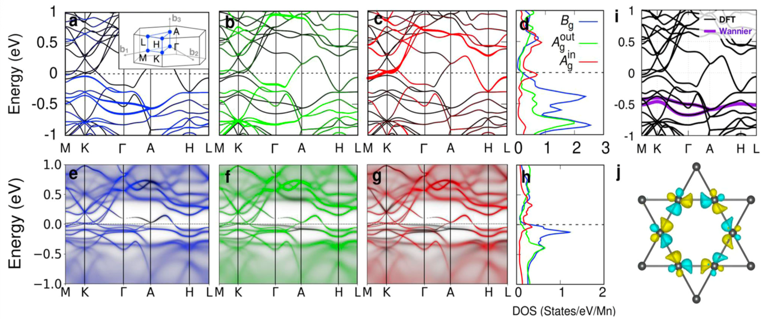
• Study of topological and correlated materials via density functional and dynamical mean-field theory
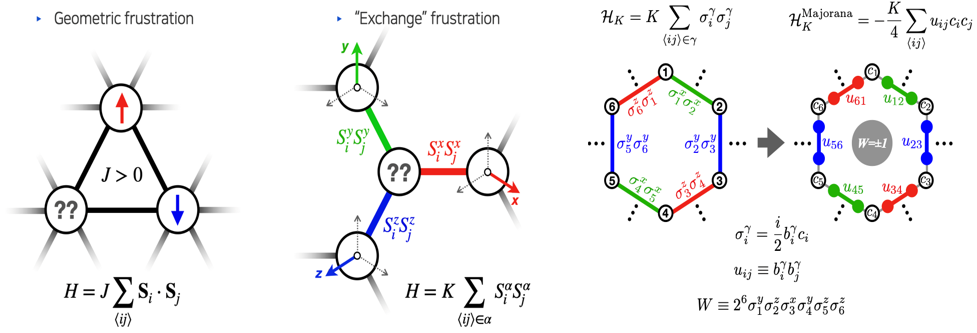
• Study of quantum & frustrated magnetism via ab initio calculations and theoretical analyses
• Study of quantum dynamic systems and application to electronic structure study via tensor network
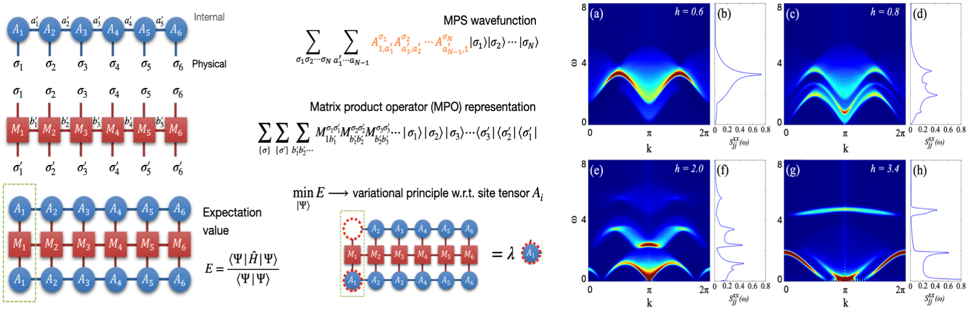
• Two-dimensional / correlated magnetic materials for optoelectronic applications
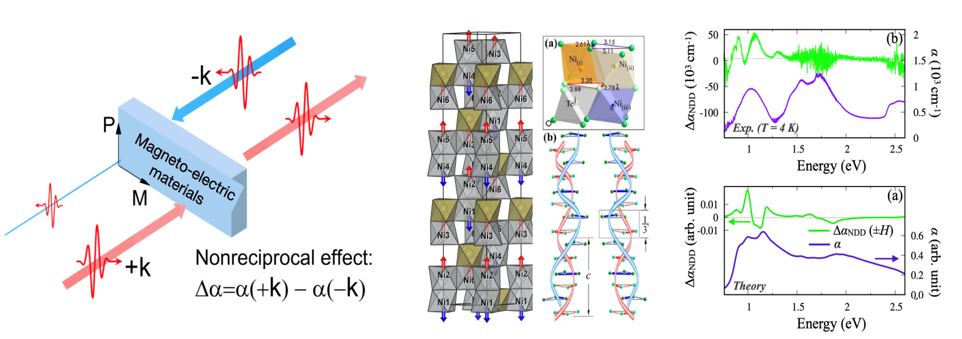
• "Spin-orbital entangled molecular jeff states in lacunar spinel compounds", Heung-Sik Kim, Jino Im, Myung Joon Han, and Hosub Jin, Nature Communications 5, 3988 (2014)
• "Kitaev magnetism in honeycomb RuCl3 with intermediate spin-orbit coupling", Heung-Sik Kim, Vijay Shankar Venkataraman, Andrei Catuneanu, and Hae-Young Kee, Physical Review B 91, 241110(R) (2015)
• "Mott metal-insulator transitions in pressurized layered trichalcogenides", Heung-Sik Kim, Kristjan Haule, and David Vanderbilt, Physical Review Letters 123, 236401 (2019)
• "Persistent half-metallic ferromagnetism in a (111)-oriented manganite superlattice", Fabrizio Cossu, Heung-Sik Kim*, Biplab Sanyal, and Igor di Marco*, npj Computational Materials 8, 77 (2022)
• "Emergence of flat bands and ferromagnetic fluctuations via orbital-selective electron correlations in Mn-based kagome metal" Subhasis Samanta, Hwiwoo Park, Chanhyeon Lee, Sungmin Jeon, Hengbo Cui, Yongxin Yao, Jungseek Hwang*, Kwang-Yong Choi*, and Heung-Sik Kim*, Nature Communications 15, 5376 (2024)
• "Suppression of antiferromagnetic order by strain-enhanced frustration in honeycomb cobaltate", Gye-Hyeon Kim†, Miju Park†, Subhasis Samanta†, Uksam Choi, Baekjune Kang, Uihyeon Seo, GwangCheol Ji, Seunghyeon Noh, Deok-Yong Cho, Jung-Woo Yoo, Jong Mok Ok, Heung-Sik Kim*, and Changhee Sohn*, Science Advances 10, eadn8694 (2024).
• (2025) Excellent Researcher Award, Kangwon National University, Korea
• (2007~2008) Seoul Science Fellowship, Seoul Metropolitan Government, Korea
▪(1993) B.S. in Mechanical Engineering, Pohang University of Science and Technology (POSTECH), Pohang, Korea
▪(1995) M.S. in Mechanical Engineering, Seoul National University, Seoul, Korea
▪(1999) Ph.D. in Mechanical Engineering, Seoul National University, Seoul, Korea
▪(2025.7.-present) Department of Energy Engineering, Korea Institute of Energy Technology (KENTECH), Naju-si, Republic of Korea
▪(2015.11-2025.6.) Associated Professor in Mechanical Engineering , King Abdullah University of Science and Technology (KAUST), Thuwal, Saudi Arabia
▪(2011.1-2015.10) Principal Research Scientist in Clean Combustion Research Center, King Abdullah University of Science and Technology (KAUST), Thuwal, Saudi Arabia
▪(2010.2-2011.1) Director, Department of Technology Management and Marketing, Korea Institute of Machinery & Materials (KIMM), Daejeon, Korea
▪(2004.4-2005.3) Visiting Scholar, University of Southern California, Los Angeles, CA, USA
▪(2000.3-2011.1) Senior and Principal Researcher, Korea Institute of Machinery & Materials (KIMM), Daejeon, Korea
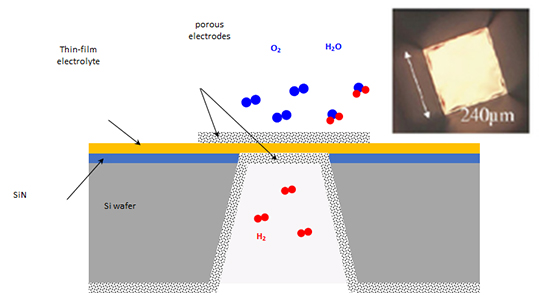
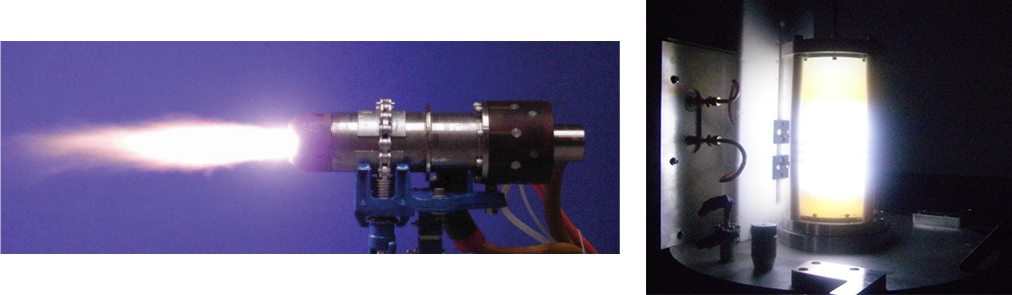
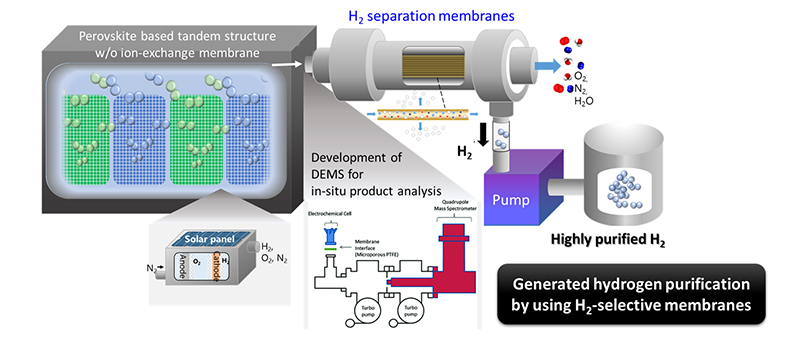
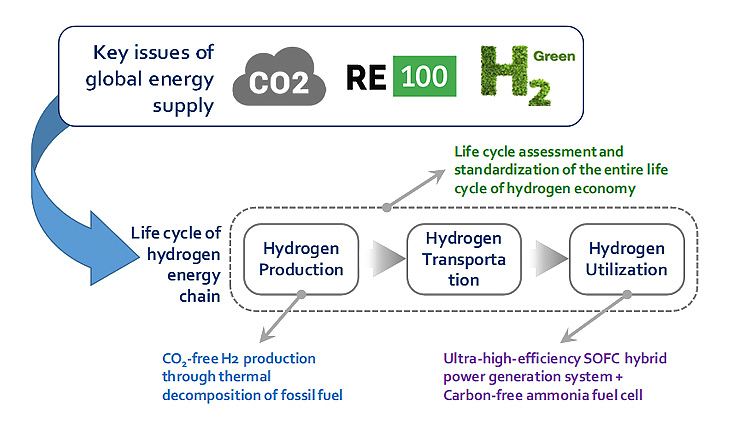
Reactive low temperature plasmas, Combustion of carbon free fuels, Plasma chemistry for energy and environment, Plasma sources development, H₂ synthesis and utilization, NH3 cracking
Plasma chemical kinetic study
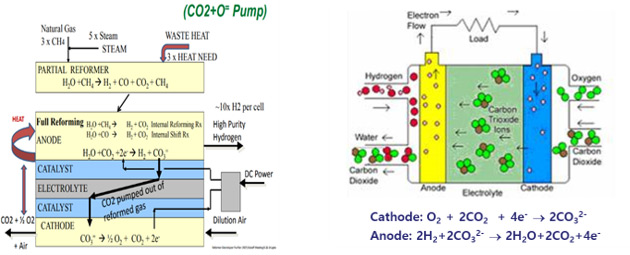
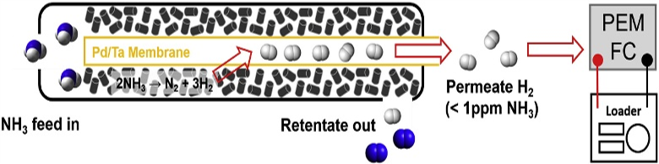
• CH4 reforming and NH3 cracking to produce H2
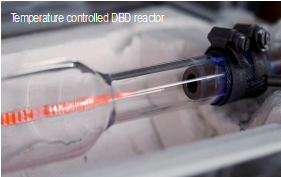
• Temperature controlled DBD reactor
• 0D kinetic simulation platform (KAUSTKin)
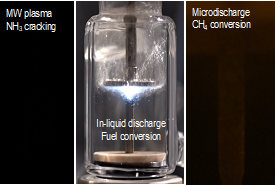
Plasma-based H2 production
• Microwave plasma for NH3 cracking
• In-liquid plasma for fuel reforming
• Microdischarges for methane conversion
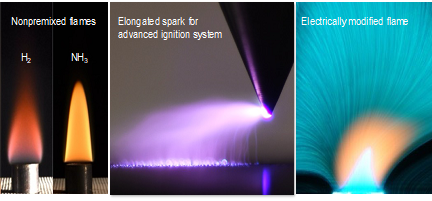
Advanced combustion research
• Flames with carbon-neutral fuels
• Advanced plasma ignition system for ultra-lean burn
• Electrically assisted flames
• M.S. Cha and R. Snoeckx, (Perspective) “Plasma Technology–Preparing for the Electrified Future”, Frontiers in Mech. Eng. 8:903379 (2022)
• X. Zhang, M.S. Cha, “Optimizing ammonia cracking in microwave argon plasma: Temperature control and ammonia delivery”, Chem. Eng. J., 496:154289 (2024).
• S. Bang, R. Snoeckx, M.S. Cha, “Kinetic study for plasma assisted cracking of NH3: approaches and challenges”, J. Phys. Chem. A, 127:1271–1282 (2023).
• J. Son, M.S. Cha, “Rigorous numerical model for flames under external electric fields: Mobility and electron attachment based on nonequilibrium electron temperature”, Combust. Flame, 273:113961(2025).
• J. Park and M.S. Cha, “Physical insights into plasma-assisted methane reforming: microdischarge dynamics and diluent effects”, J. Phys. D: Appl. Phys., 58:105207 (2025)
• Fellow of the Combustion Institute, Combustion Institute, 2023
• Best Paper Award, Korean Society of Combustion, 2008
• Ji Seok-Young Award, Korea Intellectual Property Office, 2007
• Young Investigators Award, Asian Pacific Conference on Combustion, 2001

(2015) BS., Electrical Engineering, Korea University
(2017) MS., Electrical Engineering, KAIST
(2023) Ph.D., Electrical Engineering, KAIST
(2023-2024) Postdoc Researcher, Michigan State University
(2024-Current) Assistant Professor, Energy AI, KENTECH
Machine learning / Artificial Intelligence: Robust and Trustworthy AI, Foundation Models (NLP, Multi-modal models)
Robust/Trustworthy AI: (1) Noisy labels, (2) mitigating bias
Foundation Models: (1) Multi-modal Models, (2) LLMs
AI Applications
Sumyeong Ahn et al., "CUDA: Curriculum of Data Augmentation for Long-tailed Recognition", International Conference of Learning Recognitions (ICLR), 2023, Spotlight paper
Sumyeong Ahn et al., "Mitigating Dataset Bias by Using Per-sample Gradient", International Conference of Learning Recognitions (ICLR), 2023
Sumyeong Ahn et al., "Denoising After Entropy-Based Debiasing: A Robust Trainign Method for Dataset Bias with Noisy Labels", Annual AAAI Conference on Artificial Intelligence (AAAI), 2023, Oral presentation paper
Sumyeong Ahn et al., "Fine-tuning Pre-trained Models for Robustness Under Noisy Labels", International Joint Conference on Artificial Intelligence (IJCAI), 2024



Ph.D.(2015), KAIST
B.S.(2009), Sungkyunkwan University
2021-2024, Associate Professor, University of Ulsan
2016-2021, Assistant Professor, University of Ulsan
2015-2016, Postdoctoral Researcher, KAIST
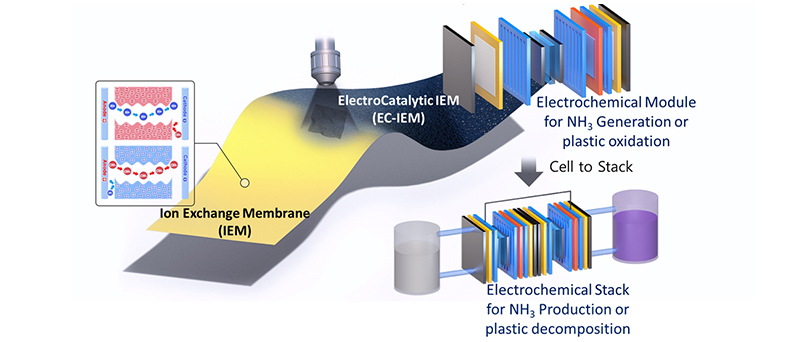
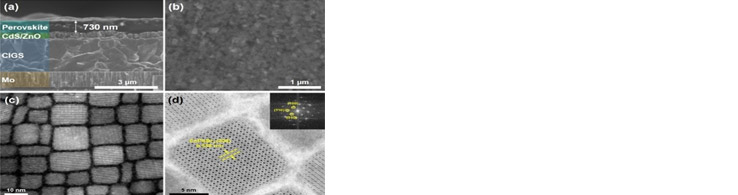
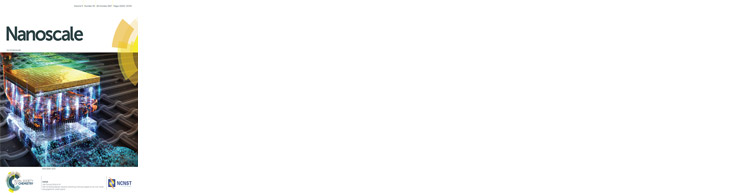
Nanostructured catalysts
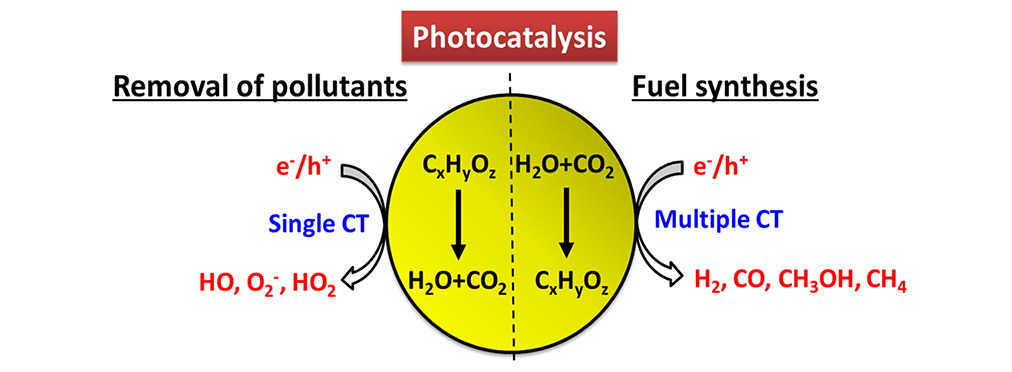
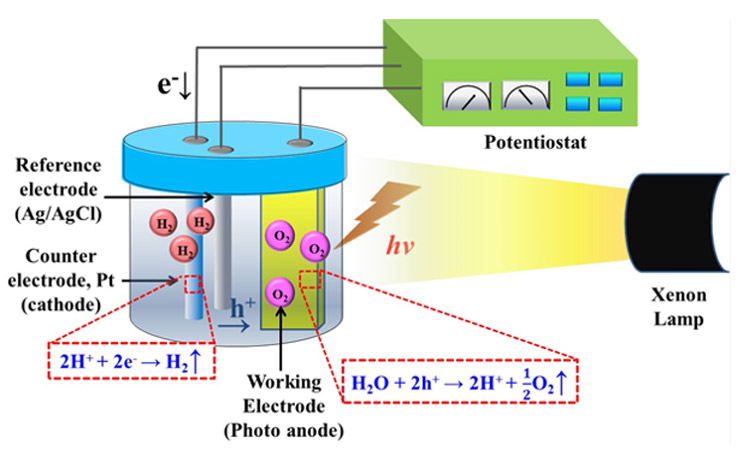
Electro(photo)chemical hydrogen production
Polymer electrolyte membrane fuel cell
Electrocatalysis for energy products
Surface engineering of nanostructured catalysts via atomic structure and composition control
In-situ Analysis
ACS Catal. 2024, 14, 3756-3765.
ACS Nano 2023, 17, 18641–18651.
Nano Lett. 2022, 22, 9115–9121.
Angew. Chem. Int. Ed. 2022, 61, e202202923.
Nano Lett. 2020. 20, 6263–6271.
▪(2016) Ph. D. Department of Nuclear and Quantum Engineering, KAIST
▪(2012) M.S. Department of Nuclear and Quantum Engineering, KAIST
▪(2010) B.S. Department of Nuclear and Quantum Engineering, KAIST
▪(2026.2-Present) Assistant Professor, KENTECH, Republic of Korea
▪(2024.3-2026.1) Assistant Professor, Jeonbuk National University, Republic of Korea
▪(2021.3-2024.2) Associate Professor, University of Science and Technology (UST), Republic of Korea
▪(2016.3-2024.2) Senior Researcher, Korea Institute of Nuclear Safety (KINS), Republic of Korea
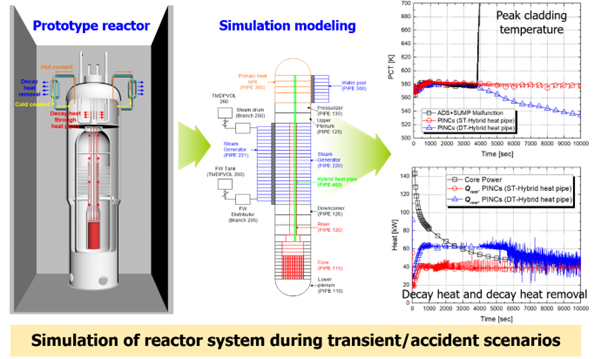
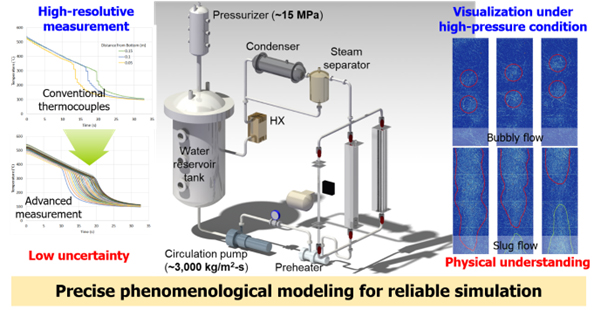
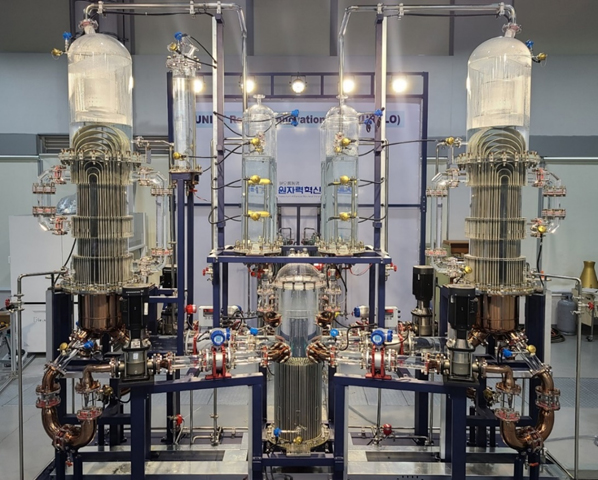
Reactor Analysis Methodology, Reactor Safety Analysis, Fission Product Behaviors, Accident Source Term, Reactor Design, Nuclear Safety Regulation, Numerical Methods for Nuclear Engineering
▪Development of the Safety Analyses Methodologies on the Nuclear Reactor Core
- Criticality Safety on the Degraded Reactor Core during a Sever e Accident
- Neutronic-Thermal Hydraulic Coupled Analysis on Accident Tolerant Fuels"
▪Development on Computational Models and Codes on Fission Product Behaviors during a Severe Accident
- Aerosol Behaviors
- Iodine Chemistry
- Pool Scrubbing
- Depletion Code in Nuclear Reactor"
▪Design of Advanced Reactor Cores for Small Modular Reactors
- Molten Salt Fast Reactor Loaded with Transuranic Elements"
▪Nuclear Reactor Licensing Modernization
- Performance-based Emergency Planning Zone for Small Modular Reactors"
▪Y. Lee, Y. J. Cho, and K. Lim, Analyses on the recriticality and sub-critical boron concentrations during late phase of a severe accident of pressurized water reactors, Nucl. Eng. Technol., 55(9), 3241, (2023).
▪Y. Lee and Y. J. Cho, Analyses on importance of iodine chemistry models in AnCheBi code for a severe accident of nuclear power plant, Ann. Nucl. Energy, 171, 109021, (2022).
▪Y. Lee, Y. J. Cho, and K. Lim, Whole-core analyses on recriticality of conventional high power pressurized water reactor in Korea during early phase of severe accident, Ann. Nucl. Energy, 143, 107461, (2020).
▪Y. Lee and N. Z. Cho, Steady- and transient-state analyses of fully ceramic microencapsulated fuel loaded reactor core via two-temperature thermal-conductivity model, Ann. Nucl. Energy, 76, 283, (2015).
▪Y. Lee and N. Z. Cho, Efficient and accurate depletion calculations via two-block decomposition of nuclide concentration vector, Ann. Nucl. Energy, 53, 147, (2013).
(2019) Best Paper Award in Nuclear Safety Division of 2019 Korean Nuclear Society Autumn Meeting, Korean Nuclear Society, Korea
(2018) Best Researcher, Korea Institute of Nuclear Safety (KINS), Korea
(2015) Excellent Paper Awards in RPHA15, Korean Nuclear Society, Korea
(2014) NQe Awards for Best Paper, Department of Nuclear and Quantum Engineering, KAIST, Korea
(2010) KAIST-NQe Lee Byunghui Scholarship, Department of Nuclear and Quantum Engineering, KAIST, Korea

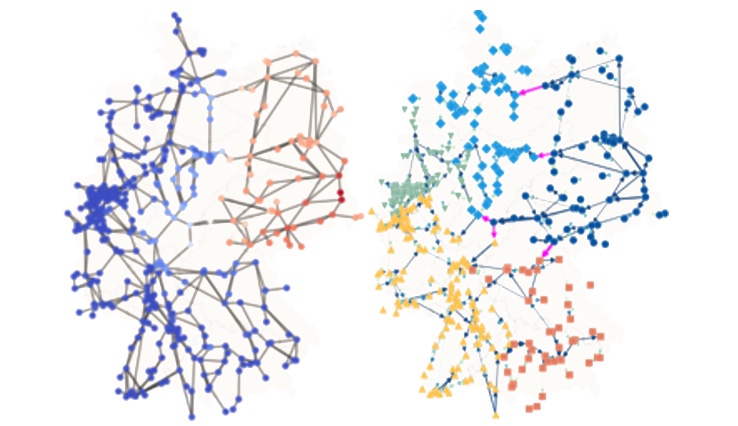
Design and develop network analytics systems that can capture, visually represent, and compare “knowledge structure” in learners’ multi-modal data in their learning process (e.g., speaking, writing, reading) as network graphs to visualize and assess individual learners’ learning trajectories, thereby supporting the design of instructional strategies that target individual learning problems in deriving better outcomes, including